
With Robin Drury
Along the River Stour on the border of Suffolk and Essex, a chain of watermills has served local communities for roughly a millennium. From the medieval period onward, mills such as Liston Mill, Withindale Mill, Brandon Mill, Cornard Mill, Sudbury Mill, Great Henny Mill, and Bures Mill formed part of a working landscape that powered agriculture and trade.
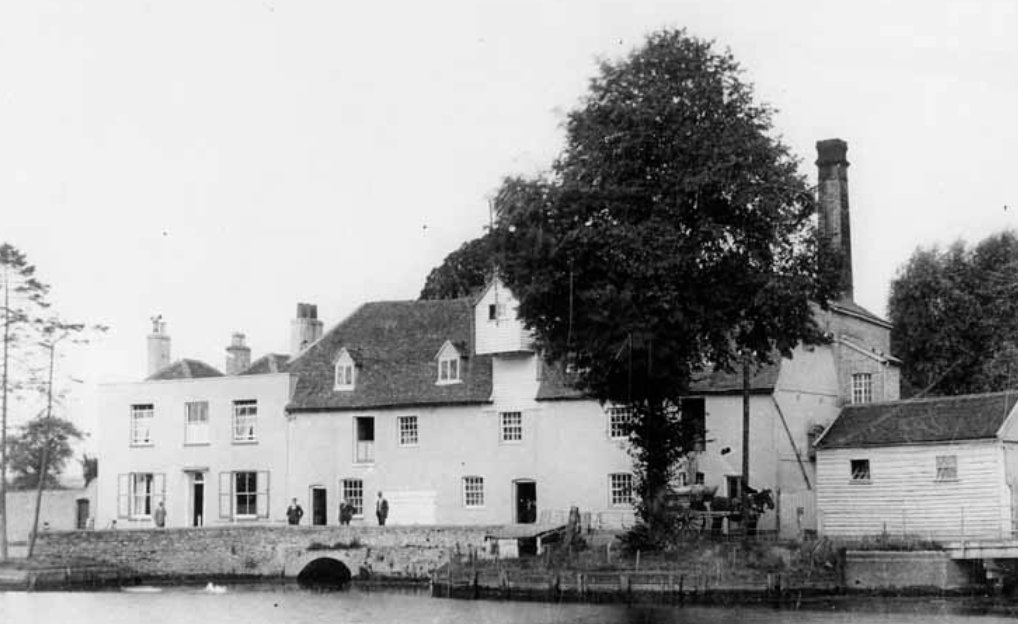
Many of these mills originated in the period following the Norman Conquest, when watermills became essential manorial assets recorded in the Domesday Book of 1086. Built beside carefully managed millponds and channels, they used the Stour’s steady flow to turn waterwheels that drove millstones for grinding grain. Villagers from surrounding parishes brought wheat, barley, and oats to be milled into flour and animal feed.
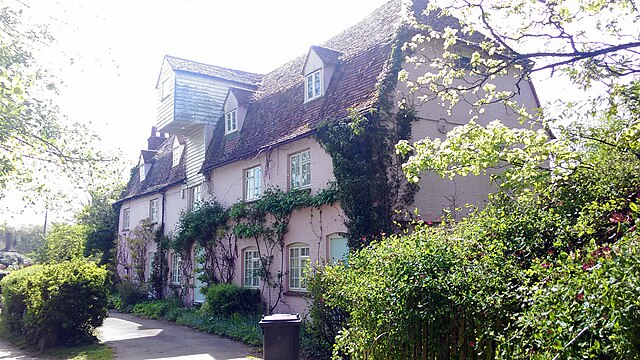
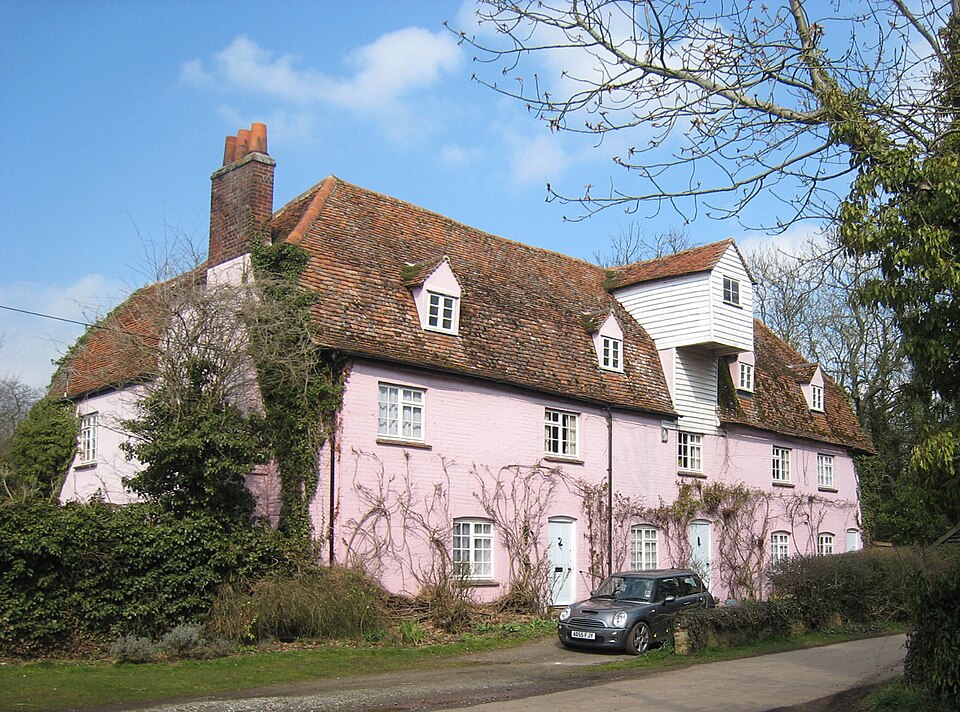
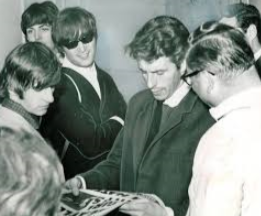
Many of these mills along the River Stour had interesting stories linked to them such as Brundon Mill, which was converted into a home from a watermill. Derek Taylor (1932–1997) lived here in his later years. He was a British journalist and music publicist, famous for working with The Beatles and often called the “Fifth Beatles.” He died in 1997 in Sudbury, while still associated with the mill and was buried in an unmarked grave.
Sudbury Mill was once a fulling mill but is now known as the Mill Hotel. In 1971 a mummified cat was found in the walls and when it was removed to preserve it, a series of unfortunate incidents befell the building. It has since returned to the hotel.
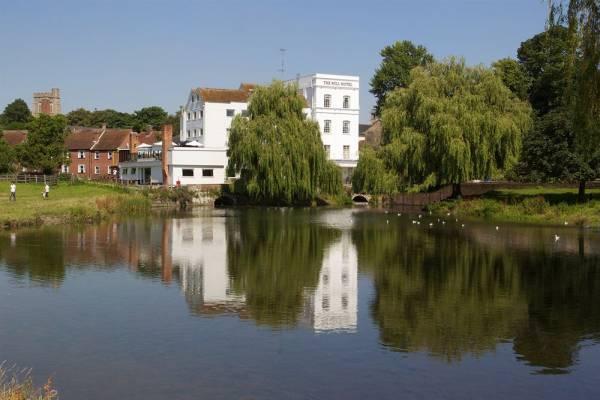
Over the centuries the mills were rebuilt, expanded, or converted as technology evolved. During the early modern period, some adopted improved gearing and larger wheels to increase output.
By the 18th and 19th centuries, the Stour valley mills were integrated into a wider rural economy connected with nearby towns such as Sudbury. However, the arrival of steam power and later industrial roller milling gradually reduced the importance of traditional watermills.
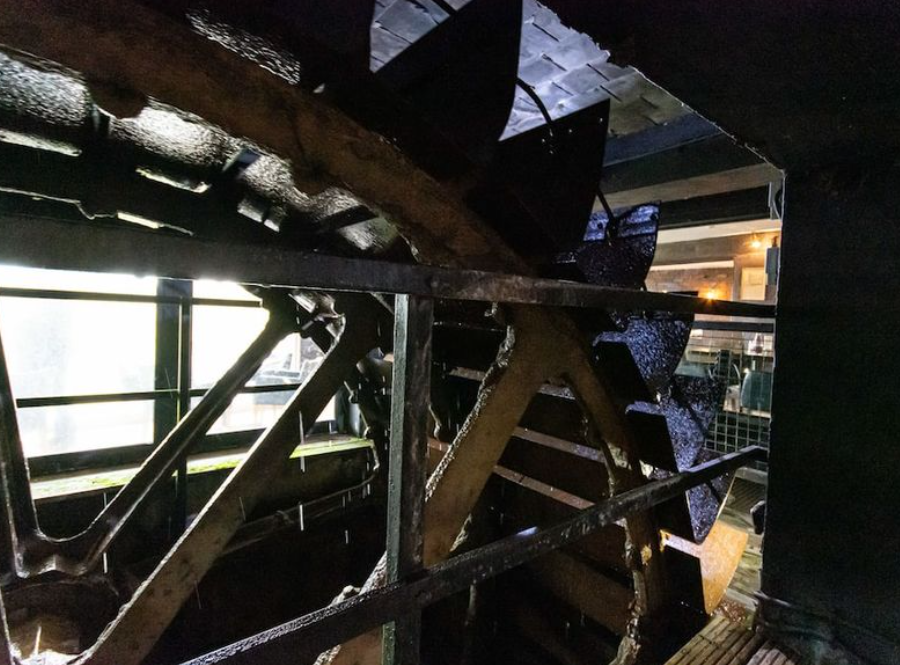
By the 20th century many Stour mills had ceased commercial grinding, though several buildings survived as historic landmarks or private residences. Today they represent a continuous thread in the cultural landscape of the Stour Valley, illustrating how communities harnessed river power for nearly a thousand years while shaping the agricultural and social history of the Essex–Suffolk borderlands.
Sally Card
I had not thought about watermills being as old as the10th century so it reminds us that there were a lot of societies with sophisticated technology long before the industrial era.
A fascinating post.
it also eminds me just how vital to the growth of English enterprise were the inland waterways even before the major age of canal building – transport and power.
i wonder how we might make more use of water power nowadays.