
By Chris Turland
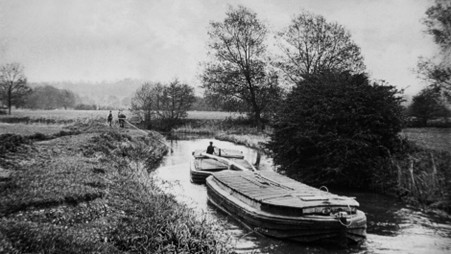
Established by a 1705 Act of Parliament, the River Stour Navigation was an early statutory waterway stretching from Cambridge to the estuary at Manningtree. It was built to transport agricultural goods and heavy commodities to London. Sudbury wanted to use the river better to transport coal, silk and grain.
Navigating this drop required 13 flash-locks (staunches) and 13 timber pound locks. Flash-locks consisted of a single gate spanning the river, raising the water level and releasing a sudden ‘flash’ of water to push a vessel over shallow areas. These were destructive to mills and wasteful of water.
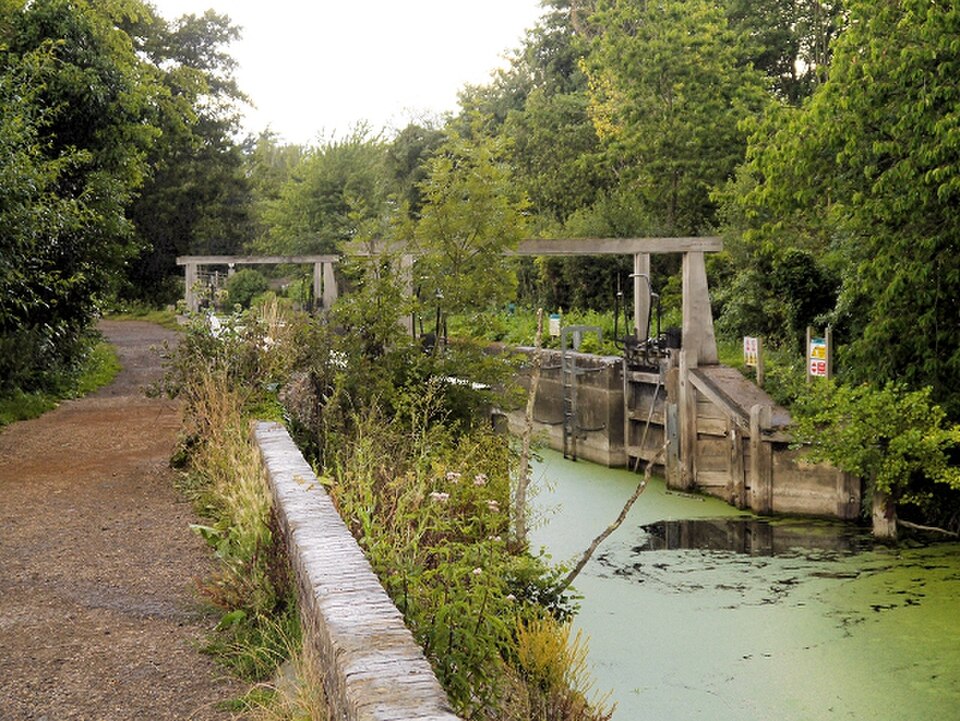
To improve efficiency, engineers constructed timber pound locks—chambers with two sets of gates capable of holding up to two linked barges, or ‘gangs’. Because property rights were overlooked in the original 1705 Act, undertakers could not secure land for traditional lock design. Stour locks were unique; they lacked balancing beams, utilizing heavy wooden lintels placed across the top to stop the lock sides from collapsing inwards. Furthermore, paddles were operated via chains connected to a manual capstan rather than modern mechanisms.
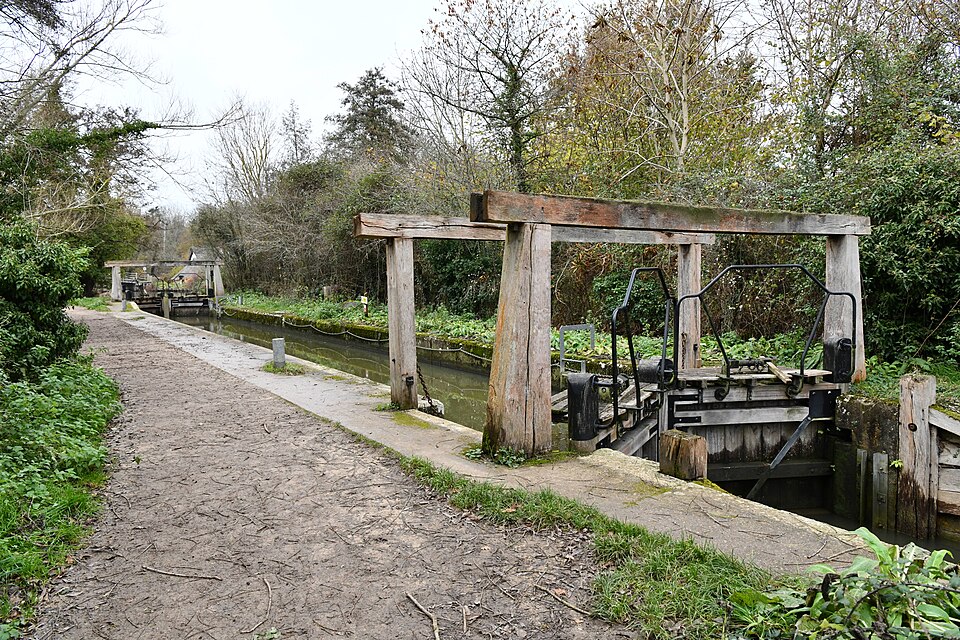
Today, many of the original locks have disappeared and reverted to a natural state. 1928 was the last time the river was used for transporting goods.The historic locks at Flatford Lock and Dedham Lock have been restored by the River Stour Trust for recreational light craft.
My father, who grew up in Sudbury in the 1920s and 1930s, used to have a lump of coal as a souvenir from the last coal barge to Nayland. This was where I grew up in the 1960s. Sad to say it disappeared in a house move. I don’t know the date of the last coal barge.
That is so interesting, Mrs Carnegie, one of the joys of this website is the contact with people like yourself, who are part of the long and fascinating history of our town.