
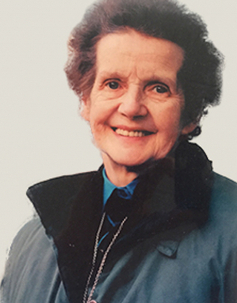
By Barbara McEIroy
Sue Ryder was a British humanitarian and charity worker who dedicated her life to helping people affected by war, illness and poverty. She was born at Great Thurlow Hall, the youngest daughter of 9 children.
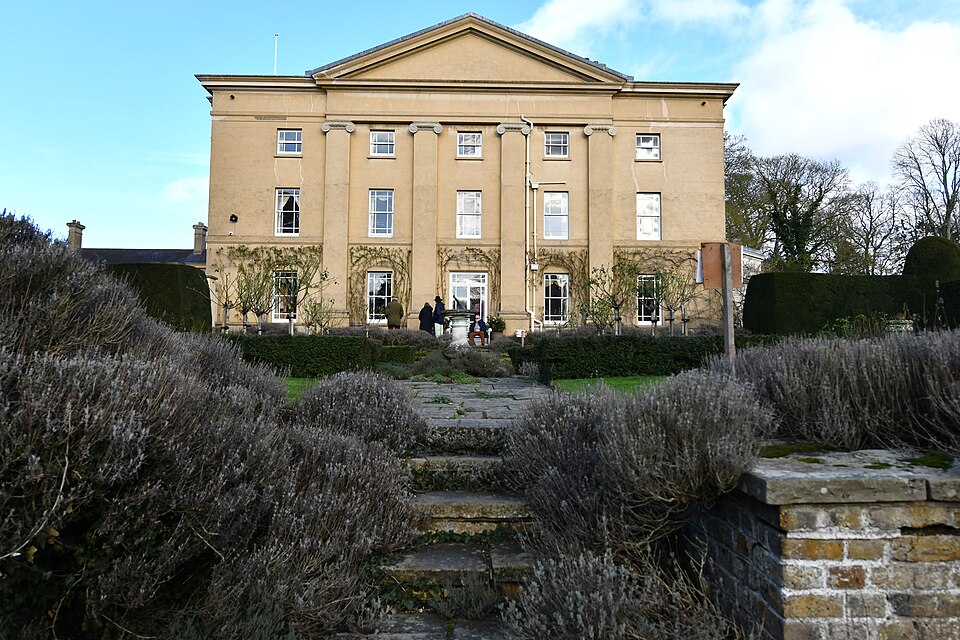

Schooled at home until 12 years old, Sue Ryder then went to Benenden, a progressive school in Kent. During the Second World War, when she was only 16, she joined the First Aid Nursing Yeomanry (FANY), a women’s voluntary organisation. She later worked with the Special Operations Executive, helping resistance workers and supporting secret wartime operations in occupied Europe. Her experiences during the war deeply affected her and inspired her lifelong commitment to helping others.
After the war ended in 1945, Sue Ryder travelled to Europe and witnessed the suffering of people who had been imprisoned in concentration camps and forced labour camps. She was particularly concerned about those who were sick, homeless and struggling to rebuild their lives. Determined to make a difference, she began providing practical help, including food, clothing and shelter.
In 1953, she established the Sue Ryder Foundation, which later became known as Sue Ryder. The charity initially focused on supporting people affected by the war, including refugees, former prisoners and those who had suffered persecution. Over time, its work expanded to include caring for people with serious illnesses and supporting those approaching the end of their lives.
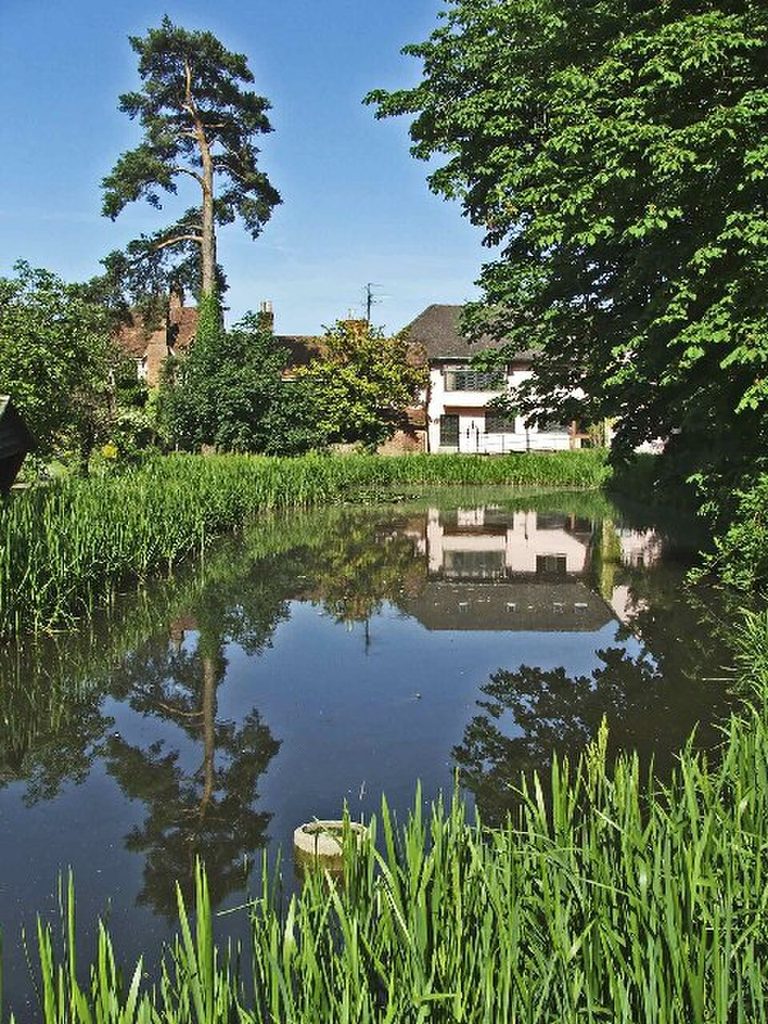

In 1959, Sue Ryder married Group Captain Leonard Cheshire, another famous humanitarian who founded a charity for disabled people. Together, they shared a strong belief in helping vulnerable people and improving lives through compassion and service. Sue Ryder also received several honours for her humanitarian work, including being made a life peer in 1979, becoming Baroness Ryder of Warsaw.
Throughout her life, she remained committed to helping those in need. In 1998, she stepped down from her charity, with some ill feeling, having spent decades developing its work. She died on 2 November 2000, aged 76, in Suffolk, England.
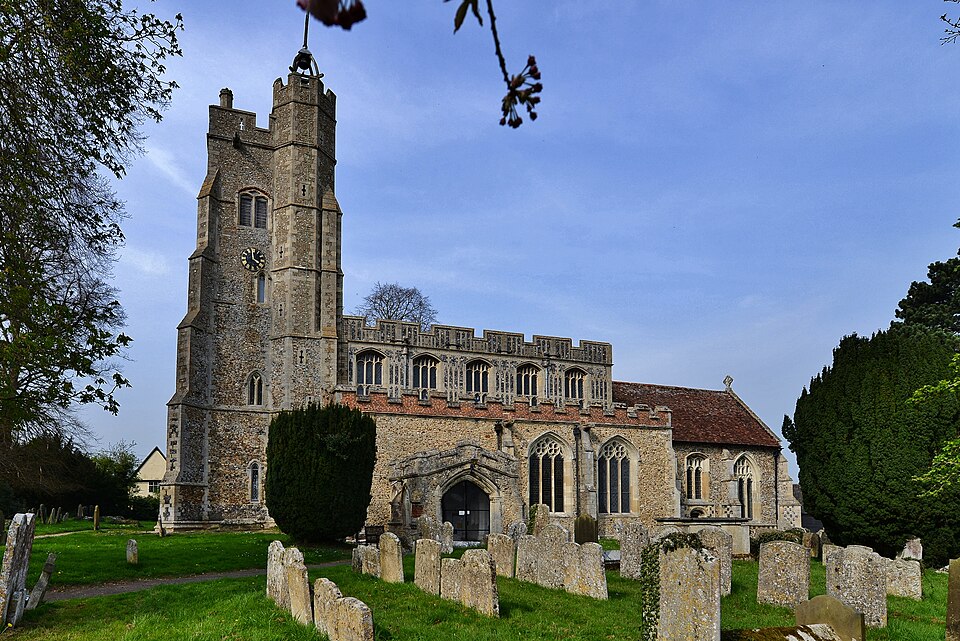
Sue Ryder is buried in Cavendish Church along with her beloved husband.

Sally Card
Notices
It looks like fire safety precautions at the Granary may be beginning but Joan has requested in
case of an emergency evacuation that able bodied members keep to the left and those who
need to use the banister keep to the right.
Talks
11.11.2026 – Raising the Tower by Henry Parsons
9.12.2026 – Christmas at the Granary Anne Grimshaw Ann Spilling
No meeting in January